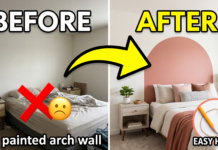
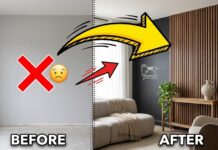
If you want to give your bedroom or living room an earthy, historic European charm without spending a fortune on expensive plastering services, adding a textured, mottled finish to your drywall is the perfect weekend project. This classic interior design technique brings a soft, velvety depth to flat surfaces, beautifully mimicking the aged walls found in Tuscan villas or the serene, organic aesthetic of modern wabi-sabi homes.
Learning how to mix and apply DIY limewash paint is much easier than it looks. Unlike standard latex paint that rolls on perfectly flat, this mineral-based coating interacts with the air to cure into a rock-hard, matte finish with subtle color variations. It is breathable, eco-friendly, and incredibly forgiving for beginners.
Here is your complete guide to achieving that high-end, cloudy wall texture using a simple brush technique.
Supply Checklist & Preparation
Because this material acts more like a thin plaster than standard wall paint, your prep work and tool selection are critical.
- The Material: Authentic lime putty or powdered slaked lime, mixed with water and natural mineral pigments. (You can also buy pre-mixed architectural lime paint to save time).
- The Brush: A wide, densely packed block brush (often called a masonry brush). Do not use a roller; the texture relies entirely on the bristles.
- The Primer: A mineral-based bonding primer. Standard acrylic wall primer creates a plastic barrier that prevents the lime from curing correctly to the wall.
- The Protection: Drop cloths, painter’s tape, and protective eyewear (lime is highly alkaline and can irritate the skin and eyes before it dries).
Step-by-Step Tutorial: Achieving the Velvet Finish
Step 1: Prime the Drywall
Standard drywall is heavily processed and covered in latex paint, which means it will repel natural mineral coatings. Apply one solid coat of mineral bonding primer with a standard roller. This creates a micro-porous surface that allows the lime to grip and crystallize. Let this dry completely for 24 hours.
Step 2: Mix Your Wash
If you are using powdered lime, mix it with water in a large bucket until it reaches the consistency of whole milk. It should be surprisingly thin and runny compared to regular house paint. If you bought a pre-mixed bucket, stir it thoroughly, as the heavy minerals will settle at the bottom during shipping.
Step 3: The “Crow’s Foot” Application Technique
Dip only the bottom inch of your masonry brush into the bucket. Starting in an upper corner of your room, apply the wash using a criss-cross, “X” pattern.
- The Motion: Brush in random, overlapping strokes. Do not paint in straight up-and-down lines. The goal is to create a cloudy, organic web of brushstrokes. Keep a “wet edge” as you move across the wall so the sections blend seamlessly into each other.
Step 4: Allow the First Coat to Chalk
When the first layer goes on, it will look incredibly dark, translucent, and patchy. Do not panic. As the material reacts with carbon dioxide in the air and begins to cure, it will lighten by up to 50% and become beautifully opaque. Let the first coat dry for at least 4 to 6 hours.
Step 5: Apply the Second Coat
Once the wall is completely dry to the touch and powdery, apply your second coat using the exact same criss-cross technique. This second layer is where the magic happens; it fills in the gaps, deepens the cloud-like texture, and locks in that luxurious, sueded finish.
3 Pro-Tips for a Flawless Application
- Never Stop in the Middle: Once you start a wall, you must finish it corner-to-corner without taking a break. If you stop halfway and the edge dries, you will see a permanent, distinct line where you resume painting.
- Dilute for Softer Clouds: If the texture feels too heavy or the brush strokes look too sharp during the second coat, lightly mist the wall with a spray bottle of water before brushing. This dilutes the material on contact and creates a softer, more blended cloud effect.
- Seal High-Traffic Areas: Mineral walls are highly porous and absorb water and oils easily. If you are applying this in a bathroom, kitchen, or busy hallway, brush on a clear matte masonry sealer once the wall is fully cured to protect the finish from stains.